Articles
-

Introducing New Business Processes: The Five Essential Pillars
Read more: Introducing New Business Processes: The Five Essential PillarsIn the world of continuous improvement, sometimes the problem is not an inefficient process but rather a lack of the process. How to approach such a case? What are the key components needed to design and implement effective and sustainable business processes? Let me point to five of them that, from my experience, are the…
-
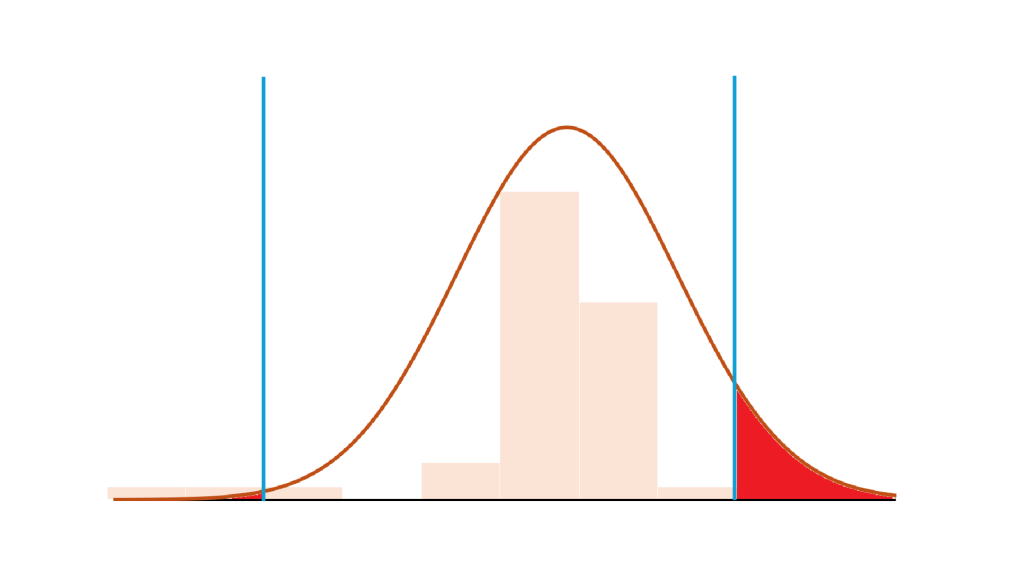
SPC, Cpk, and all that buzz… Part 2: Process Capability
Read more: SPC, Cpk, and all that buzz… Part 2: Process CapabilityFollowing our discussion about process stability in Part 1 of this article, let’s get into process capability. Again, staying on the general but practical ground and focusing on the purpose, not “mathematical mechanics.” But before going into the details, it would be worth reviewing some background concepts first. Fundamental idea behind Process Capability Study This…
-

SPC, Cpk, and all that buzz… Part 1: Process Stability
Read more: SPC, Cpk, and all that buzz… Part 1: Process StabilityI recently had some discussions about SPC (statistical process control) that reminded me how easy it is to get lost in the topic, even after years of using it… Let me try to sort things out, staying on the general but practical ground and focusing on the purpose, not “mathematical mechanics.” Application But first, let…
-

TinySEM – Process knowledge notation tool
Read more: TinySEM – Process knowledge notation toolThis article is a follow-up to the previous one about process knowledge and a result of several discussions on LinkedIn It is a proposal of the standard way to visualize graphically mathematical equations, especially those obtained as a result of regression modeling. Purpose Provide a tool that can be used by manufacturing engineers and technologists,…
-

Do we know how our processes work? Do we know how well we know it?
Read more: Do we know how our processes work? Do we know how well we know it?All major process improvement methodologies (like Lean or Six Sigma) offer specific tools and methods to improve any given process: “remove non-value-added activities”, “reduce variation”, “find the optimum setting of the key input, to get desired output”, etc. Those methods and tools work very well, however only with the assumption that people using them know the process they are trying…
-

Measuring process capability by …simple average?!
Read more: Measuring process capability by …simple average?!I dare to say that in some situations, simple average works as an effective capability index! Process The concept is applicable to specific group of processes, most often transactional, where time is the most important: “the sooner the better”. These processes should be part of business-to-business model rather than a business-to-consumer model: what matters is…
Subscribe
Enter your email below to receive updates.

