
At the Lean Six Sigma Conference by Akademia Białego Kruka in Wroclaw a few weeks ago, I had a chance to speak about implementing or improving continuous improvement processes (or systems) in large organizations.
In this short article, let me share just a few main points from this speech.

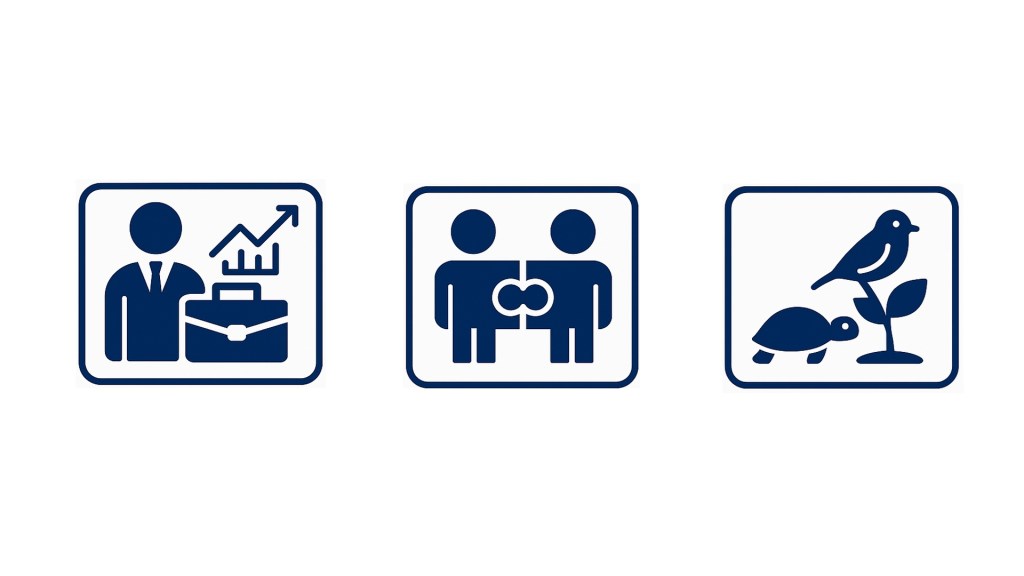
First, the Continuous Improvement system must be closely aligned with the organization’s business goals at all times to be effective.
During implementation, we need to ensure our CI system is tailored to our specific business needs. Yes, the majority of business needs for the CI system are about cost savings, and most of the CI systems are based on Lean and Six Sigma. But there is still plenty of room to accommodate other needs (standardizing operations across different business units, offering development opportunities, etc.) and to tune the design to deliver them efficiently.
Once deployed, the CI system should have mechanisms to follow the current organization strategy and to adjust and reprioritize ongoing improvement activities to reflect it.

Second, CI processes need to be seamlessly integrated with all relevant business processes in the organization. For example, those connected with financial reviews, strategy deployment, executing projects of different types, and many others.
Potential misalignments there, even as simple as different naming conventions, may cause confusion, inefficiencies, and delays. The CI system needs to be the “catalyst” that helps the organization drive its processes efficiently to deliver expected business results, not an additional administrative burden to handle on top.
This integration also helps significantly at the start of the CI system deployment – the more we can build on the organization’s existing practices, processes, and concepts, the easier adoption and faster implementation become.

Lastly, the CI System should not be carved in stone nor “given” as a holy text to follow without question. It should evolve over time, starting maybe from areas where existing practices, sometimes with dozens of years of history in the organization, can be easily linked (or integrated) into the new, overall CI system. Then, building on those “seeds of success”, going further into new areas, as the understanding of the CI system, its acceptance among different stakeholders, and the overall CI culture in the organization grow.
It should also be flexible enough to cover all potential business challenges along the way and continuously adapt to the organization’s business environment at any given moment. Tools, concepts, and approaches that were effectively practiced during rapid business growth may not be the most efficient in times of tight cost controls. And all of them should be treated just as means to improve processes efficiently (means that can be tuned, adapted, and even thrown away if not effective), not as a given prescription steps to follow unthinkingly.
I firmly believe that if CI Systems were built around those three key ‘driving factors’, they would continuously deliver high value to the businesses they support.


 Process Excellence Coaching & Consulting
Leave a reply to Lukasz Cancel reply