There are two obvious but critical events in every project: the start and the end.
- The start sets the scene for the whole project and, when executed correctly, can significantly increase the likelihood of delivering the required project outcomes on time. Check my previous article describing the process of starting improvement projects in different situations: Project Charter: one concept, many ways to apply it
- The end is crucial to ensure that project results are adequately embedded in daily work. Only then can they deliver true, long-lasting benefits to the business.
In this article, I review common problems encountered in this phase.

Problem #1: Poor quality of the deliverables or improvements identified within the project
There is an anecdote about Napoleon Bonaparte, who was disappointed that the town he was approaching did not salute him with cannons. When he asked for the reasons, the mayor of the town answered: First, we don’t have cannons…
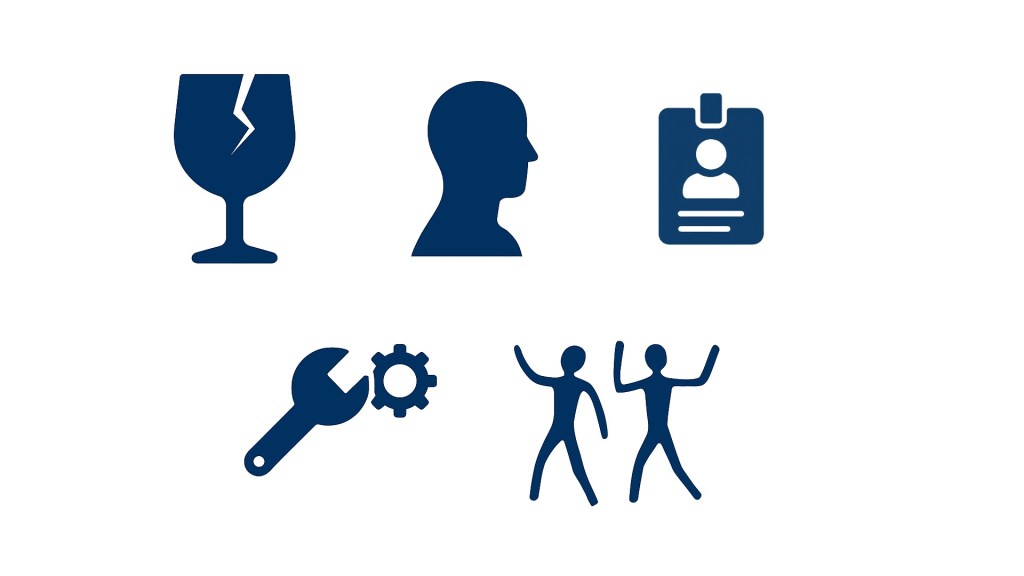
Here we should say: if we would like to achieve long-lasting business benefits from the solution implemented within an improvement project, the solution must, first of all, be simply good.
Unfortunately, this is often not the case.
Teams (and Project Sponsors) often prioritize speed over quality, selecting the first plausible solution that “feels good,” without “losing time” to do a proper search for better solutions. This search can be in the form of internal or external benchmarking, proper brainstorming techniques, etc., and usually helps identify the best available solution at the time.
Even if the identified solution is not optimal, it can still be optimized within the improvement project, for example, by organizing trials, pilots, and tests with relevant stakeholders. Very powerful yet often neglected steps on the improvement journey.
Sometimes the problem is deeper – the team working on the improvement project does not have enough subject matter knowledge to identify the right solution or even to recognize the need to ask for help here. To some extent, it should be prevented at the project initiation phase, when securing a proper team to work on improvements, but it is not always easy.
Occasionally, the issue is even more structural: there is not enough process knowledge in the organization, and a lack of awareness about this fact. It is assumed that if the process works and delivers the expected, “good enough” outcomes, it means that people dealing with this process know how it works. Unfortunately, it is not always the case, even in mature organizations. Check my article about how to estimate the level of process knowledge in the organization and what the steps are to increase it: Do we know how our processes work? Do we know how well we know it?

Problem #2: Inadequate adoption of the solution among those who will be using it
Even the best solution is effective only when in use. And there are many reasons why the newly developed solution can be set aside and replaced by “the old ways” of doing things:
- There was not enough communication about the change; not everyone is simply aware of the new way of working.
- People who are supposed to use the new solution have not been appropriately trained; they do not know how to use the new solution effectively (check the article on how to design effective training courses: There is no sustainable process improvement without learning new behaviours)
- They do not accept nor “like” the solution. In the meaning of feeling connected to it, considering it as one’s own tool, one’s own way of working. Maybe because they were not involved in the design phase of the improvement project, perhaps not consulted enough during tests and pilots, maybe the goal and purpose of the change were not explained well.

Problem #3: Lack of clear accountability after the project
One more reason for the adoption problems, which is significant enough to list separately, is poor accountability for the improved process. For example, there is no single person or role identified as the Owner of the process, or the person is not well onboarded to this role or the new solution.
Or, worse case, the whole organization is not “process oriented” or “process savvy” and the concepts of owning processes, monitoring their performance, and managing changes to them are not well established and practiced.
In any case, a lack of accountability is a recipe for a slow but inevitable descent of the process back to its previous state.

Problem #4: Weak supporting tools and structures
All solutions, no matter how well designed, adopted, and owned, can experience breaks, failures, or unexpected conditions at some point in time. This is the moment when supporting tools and structures should enter the stage, secure the solution and its benefits to the organization. I am talking here, for example, about:
- Process manuals and troubleshooting guides (clearly written, kept up to date, and easily available)
- Internal support teams (well identified, skilled, and ready to support)
- External “call for support” procedures (in place, secured in the budget)
- Etc.
All of them should be delivered and implemented still within the improvement project, but they are often forgotten or disregarded.

Problem #5: The project team is made of humans 😉
Lastly, part of the problem is that we are just humans after all. Work on identifying the root causes of problems, designing the best solutions to them, and implementing them in the real world is challenging, inspiring, and rewarding. Sometimes exhausting.
Work on documenting the change, securing support, and sorting out all those details mentioned above may be tiresome. Especially, when engagement from the project team and leader may quickly run out after weeks or months of working on the project. The need to “close the deal” and feel the success as soon as possible, even at the cost of some long-term benefits, is more than understandable then.
However, for real project success, let’s be aware of such dynamics upfront when crafting the project plan and secure formal project time for all the closing activities, together with proper communication within the team and an appropriate focus for those “last mile” actions. This can make a big difference.
Summary
Of course, the list above is not complete. At the end, if anything could go wrong, it would go wrong 😉
But I do believe that paying attention to those five aspects can significantly improve the great majority of improvement projects and make the business results from them long-lasting.
Happy project finalizing!
 Process Excellence Coaching & Consulting
Leave a comment